Property Insurance Guidance in Bluffton, SC

Thoughtful property insurance designed to help protect physical assets and financial interests throughout the Lowcountry.

Coverage for Properties That Do Not Fit Standard Homeowners Insurance

Not every property is owner-occupied. Some homes are rented to tenants. Some are used seasonally. Others may sit vacant, go through renovation, or be held as investment properties.

Those situations can change the type of insurance needed. A standard homeowners policy is usually built for a primary residence where the owner lives. If the property is used differently, the coverage should be reviewed before there is a claim.

Coastal Haven Insurance helps Bluffton property owners compare coverage options for non-owner-occupied homes, secondary properties, rental homes, vacant properties, and other real estate that needs a more specific insurance approach.

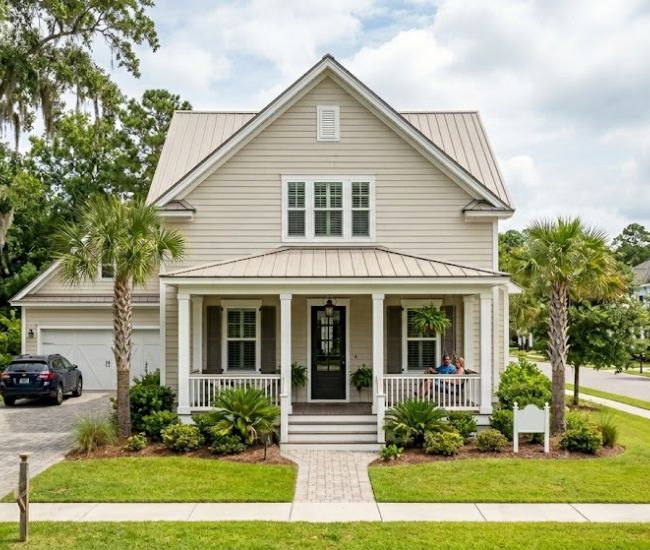
Non owner occupied rental home in Bluffton, South Carolina representing property insurance coverage for building protection and liability.

Property Insurance for Rental and Investment Owners

Property insurance may be appropriate when a building does not qualify for standard homeowners insurance or when the property use has changed.

This may include rental homes, seasonal homes, second homes, vacant homes, inherited properties, investment properties, and homes being renovated between leases or before resale.

It may also apply when a property is not occupied full time by the owner. The key question is simple. How is the property actually being used, and does the policy match that use?

Coverage Built Around Your Life

Insurance That Actually Fits

Whether it’s your home, vehicle, rental, or business, our coverage is built for people who want protection without the headaches.

learn more
  • HOMEOWNER INSURANCE
  • RENTERS INSURANCE
  • AUTO INSURANCE
  • PROPERTY INSURANCE
  • COMMERCIAL INSURANCE
  • LANDLORD INSURANCE
  • UMBRELLA INSURANCE
  • Flood INSURANCE
  • MOTORCYCLE INSURANCE
  • BOAT INSURANCE

What Property Insurance May Help Cover

PProperty insurance may help protect the physical structure after a covered loss. This can include the building, roof, walls, permanent fixtures, attached features, and other covered parts of the property.

Depending on the policy, coverage may also include landlord-owned appliances, detached structures, liability protection, and loss of rental income if the property cannot be rented because of a covered claim.

Coverage varies by property type, carrier, vacancy status, and use. That is why the details matter. A policy that works for one property may not work for another.

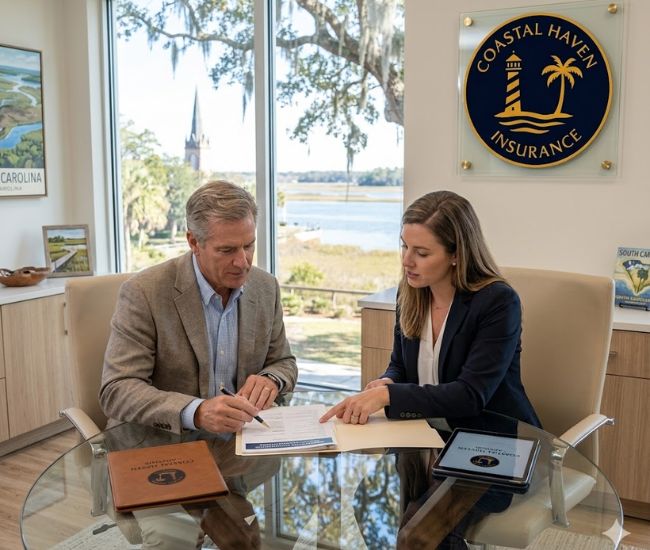
Property owner meeting with a Coastal Haven Insurance advisor in Bluffton to review property insurance coverage for a rental or investment home.

Why Property Use Matters

PrInsurance carriers care about how a property is used. An owner-occupied home, long-term rental, short-term rental, vacant property, and renovation project can all be treated differently.

If the policy says one thing but the property is being used another way, coverage problems can show up after a loss. That is when owners often learn that the wrong policy was in place.

Before choosing coverage, the property use should be clear. Is it occupied? Is it rented? Is it vacant? Is it seasonal? Is it under renovation? Those answers affect the type of policy that may be needed.

Insurance, Made Local

Serving Our Area With Confidence

Our team provides reliable insurance solutions across our service area, offering homeowners, drivers, renters, and business owners protection that’s easy to understand and built to last.

Find Coverage in Your Area
  • Hilton Head Island, SC
  • Okatie, SC
  • Hardeeville, SC
  • Beaufort, SC
  • Port Royal, SC
  • Ridgeland, SC
  • Yemassee, SC
  • Sun City Hilton Head, SC
  • Daufuskie Island, SC
  • Savannah, GA
  • Pooler, GA
  • Richmond Hill, GA
  • Garden City, GA
  • Thunderbolt, GA

Common Property Insurance Gaps

One common mistake is assuming homeowners insurance still applies after a property becomes a rental, second home, or vacant property. In many cases, the policy needs to be changed.

Another issue is vacancy. Some policies limit or exclude certain claims if a property is vacant for too long or if the carrier was not told about the vacancy.

Property owners should also review liability limits, loss of rental income coverage, flood exclusions, wind or named storm deductibles, renovation restrictions, and replacement cost estimates. These details can make a major difference after a claim.

Property Insurance vs. Landlord Insurance

Property insurance is a broader term. It may apply to several types of non-standard property situations, including vacant homes, second homes, seasonal properties, investment properties, and some rental properties.

Landlord insurance is usually more specific. It is designed for residential properties rented to tenants and often focuses on rental structure coverage, liability, and rental income protection.

If your property is actively rented to tenants, landlord insurance may be the better fit. If the property is vacant, seasonal, under renovation, or does not fit a standard homeowners policy, a broader property insurance review may be needed.

Property Insurance Questions We Often Receive

In Bluffton, property insurance is typically designed for non owner occupied properties, such as rental homes or investment properties. Homeowners insurance is intended for primary residences that are owner occupied. Because rental properties involve different liability exposures and income considerations, coverage terms and eligibility requirements often differ.

Property insurance generally covers the structure itself and may include certain landlord related protections, but it does not cover a tenant’s personal belongings. Tenants in Bluffton rental homes or apartments typically need their own renters insurance policy. This helps clearly separate responsibility between the property owner and the renter.

Loss of rental income coverage may be available for Bluffton investment properties, but it is not automatically included in every policy. This coverage can help replace lost rental income if the property becomes uninhabitable due to a covered loss. Policy limits, waiting periods, and qualifying events should be reviewed carefully.

Vacancy can significantly affect coverage, particularly in coastal areas like Bluffton. Many policies have restrictions or exclusions if a property remains unoccupied beyond a specified number of days. Landlords should notify their insurance provider if a rental home will be vacant for an extended period.

Flood damage is generally excluded from standard property insurance policies. Given Bluffton’s proximity to marshland, rivers, and coastal waterways, separate flood insurance is often an important consideration. Flood coverage may be obtained through the National Flood Insurance Program or private carriers, depending on eligibility.

Short term rental activity, including vacation rentals common in the Lowcountry, may require specialized coverage. Standard landlord policies may not automatically cover frequent guest turnover or platform based rentals. It is important to disclose how the property is used to ensure proper coverage.

Yes. Changes such as converting a long term rental to a short term rental, renovating the property, or adjusting lease structures can affect coverage needs. Regular reviews help ensure the policy reflects current use and local risk conditions in Bluffton.