
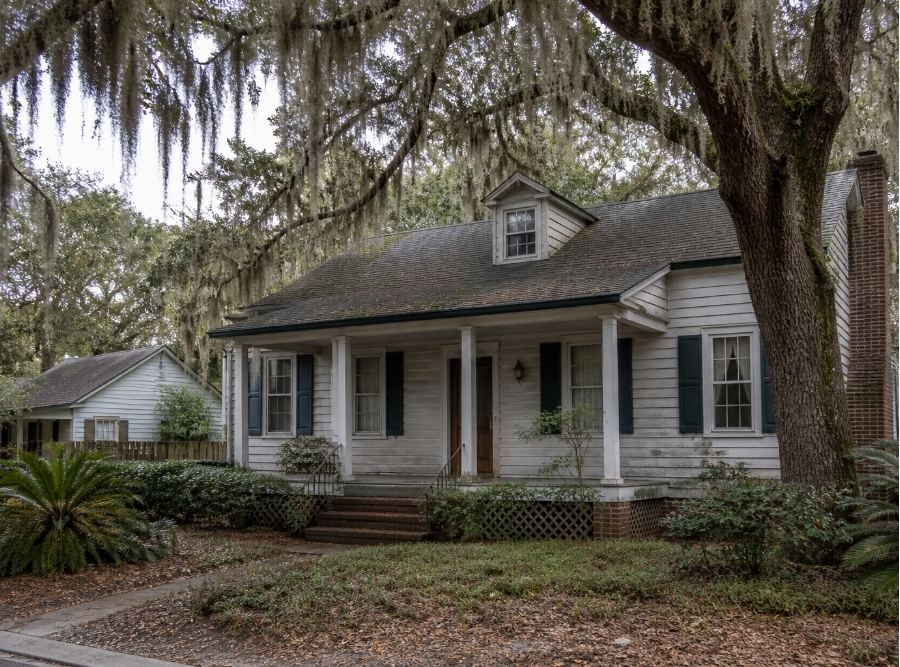
Can You Get Homeowners Insurance on an Older Home in Bluffton, SC?
Quick Answer:
Yes, you can get homeowners insurance on an older home in Bluffton, SC, but approval depends more on the home’s condition than its age. Insurance companies focus on factors like roof age, plumbing, electrical systems, and overall maintenance, and may require updates or inspections before offering coverage.
A lot of buyers fall in love with older homes in Bluffton, especially in areas like Old Town, Rose Hill, or along the May River, only to run into unexpected resistance when trying to insure the property. That’s usually when the questions start: “Why won’t anyone insure this?” or “What do I need to fix just to get approved?”
The reality is, older homes are not uninsurable. But in a coastal market like Bluffton, they are evaluated more carefully, and the margin for risk is smaller. Understanding how that process works makes the difference between getting stuck and moving forward with clarity.
When an Older Home Will Get Approved (And When It Won’t)
The simplest way to understand this is that insurers are not judging the age of the home. They are judging the risk it presents today.
Homes that are more likely to be approved tend to have updated major systems, particularly the roof, plumbing, and electrical. If those elements are in good condition and meet current standards, insurers are far more comfortable offering coverage, even if the home itself is decades old.
On the other hand, homes that struggle to get approved usually show signs of aging systems that haven’t been updated. An older roof nearing the end of its lifespan, outdated plumbing materials, or electrical components that raise fire concerns can quickly limit options. Deferred maintenance across multiple areas can also signal higher risk, even if no single issue stands out.
It comes down to one core truth: insurers don’t insure age. They insure risk.
Age Isn’t the Problem, Condition Is
One of the most common misconceptions is that homes reach a point where they become “too old” to insure. That idea doesn’t reflect how underwriting actually works.
A well-maintained home from the 1980s in Bluffton Park or Rose Hill can be easier to insure than a newer home that hasn’t been properly cared for. At the same time, an older home in Old Town Bluffton with original systems may face stricter requirements, not because of its history, but because of its current condition.
Insurance companies are looking at the likelihood of a claim. Older systems are statistically more likely to fail, especially in a humid, coastal environment. That’s why condition, not age, is what ultimately drives eligibility.
What You May Need to Update Before Getting Approved
For many older homes in Bluffton, getting insurance comes down to addressing a few key systems that insurers consistently evaluate.
The roof is usually the first consideration. In this climate, roofing materials break down faster due to heat, humidity, and storm exposure. If a roof is approaching the end of its usable life, many carriers will require replacement before offering full coverage or may decline altogether.
Plumbing is another critical area, especially if the home still has older materials like polybutylene or galvanized pipes. These systems are known for higher failure rates and are often flagged during underwriting. Updating them can significantly improve insurability.
Electrical systems also matter, particularly panels and wiring that may no longer meet modern safety expectations. Insurers view outdated electrical components as a fire risk, which makes them a common reason for denial or conditional approval.
These updates are not cosmetic. They directly reduce the likelihood of claims, which is what insurers are evaluating.
Why Bluffton Makes Older Homes Harder to Insure
Bluffton adds another layer to the equation because of its coastal environment. Homes here are exposed to conditions that accelerate wear and increase risk over time.
Humidity plays a constant role, contributing to mold, moisture intrusion, and gradual deterioration behind walls and structural components. Salt air, especially in areas near the May River, Alljoy, or Hilton Head, speeds up corrosion on metal components and roofing systems. Storm exposure adds additional stress, particularly for older roofs and exterior materials.
In neighborhoods like Old Town Bluffton or Alljoy, older homes may also face flood exposure, which complicates coverage further. In communities like Rose Hill or Belfair, homes built in the 1990s are often reaching the point where major systems need replacement, which directly affects insurability.
These are not isolated issues. They are part of the environment, and insurers account for them when evaluating older homes in this area.
Why It’s Getting Harder to Insure Older Homes in Bluffton
Over the past several years, the insurance market has shifted, especially in coastal regions like South Carolina. Carriers have become more selective about the risks they take on, and older homes are more heavily scrutinized as a result.
Fewer insurance companies are willing to write policies in higher-risk coastal areas, which reduces options. At the same time, construction costs have increased, meaning that rebuilding an older home is more expensive than it used to be. That raises the stakes for insurers when they evaluate potential claims.
Storm patterns and claim frequency also play a role. As insurers see more losses tied to aging systems and storm exposure, underwriting guidelines tighten. The result is a market where older homes can still be insured, but the requirements are higher than they were in the past.
The Role of Inspections (And Why They Matter)
For older homes in Bluffton, inspections are often a required part of the insurance process. A four-point inspection, which evaluates the roof, plumbing, electrical, and HVAC systems, gives insurers a clear picture of the home’s condition.
This is not just a formality. If the inspection identifies issues, the insurer may require repairs before issuing a policy or may set conditions that must be completed within a certain timeframe. In some cases, coverage may be limited until those updates are made.
Preparing for this step ahead of time can prevent delays, especially if you are under contract or approaching a closing deadline. Knowing what the inspection is likely to reveal allows you to address issues proactively instead of reacting to a denial.
Should You Buy an Older Home in Bluffton From an Insurance Perspective?
Older homes can absolutely be a good investment in Bluffton, but they require a more informed approach when it comes to insurance.
Before moving forward, it’s important to understand the condition of the home’s major systems and what upgrades may be needed. Factoring those costs into your decision can prevent surprises later, especially during the insurance approval process.
In some cases, the character and location of an older home make it worth the additional effort. The key is going into the purchase with a clear understanding of what will be required to insure it properly.
The Difference Between Limited Coverage and Proper Protection
When options are limited, some homeowners choose policies that provide minimal coverage just to get something in place. This can include actual cash value policies, which account for depreciation rather than full replacement cost.
While this may solve an immediate problem, it often creates a larger one if a claim occurs. In a market like Bluffton, where rebuilding costs are high, limited coverage can leave significant gaps.
There is a difference between getting a policy and being properly protected. For older homes, that difference often comes down to whether the property has been updated to meet current expectations.
A Pattern We See Often in Bluffton
We’ve seen homeowners apply multiple times for insurance on older properties without making any changes, only to receive repeated denials. In many cases, the issue was not the home itself, but specific systems that needed attention.
Once those systems, such as the roof or plumbing, were updated, the same homes became insurable with more options and better coverage. The shift is often immediate once the risk profile improves.
This pattern is common, and it reinforces the idea that condition drives the outcome.
A Timing Reality Most Buyers Don’t Expect
One of the biggest challenges with older homes is that insurance issues often don’t surface until late in the process. Buyers may not realize there is a problem until they are under contract and trying to finalize coverage before closing.
At that point, there is limited time to make updates or adjust plans. The same situation can happen at renewal, when a current insurer decides not to continue coverage due to changes in the home’s condition.
Understanding insurability early, before deadlines are involved, can prevent unnecessary stress and give you more control over the process.
A Simple Reality About Older Homes and Insurance
Older homes can be insured in Bluffton, but they require a more intentional approach. The difference between a smooth experience and a difficult one usually comes down to preparation and understanding what insurers are looking for.
It’s not about how old the home is. It’s about how well it has held up over time.
Why Older Homes Are Harder to Insure and What to Do
If you’re running into denials or limited options, the next step is not to keep applying with the same conditions. It’s to understand what’s affecting the home’s insurability and what changes would make the biggest difference.
A clear review can help identify those issues, outline realistic next steps, and match the home with carriers that are a better fit once improvements are made. The goal is not just to get coverage in place, but to make sure the home is protected in a way that holds up long-term.
To find out what’s affecting your home’s insurability, contact Coastal Haven Insurance or call (843) 507-5072.