
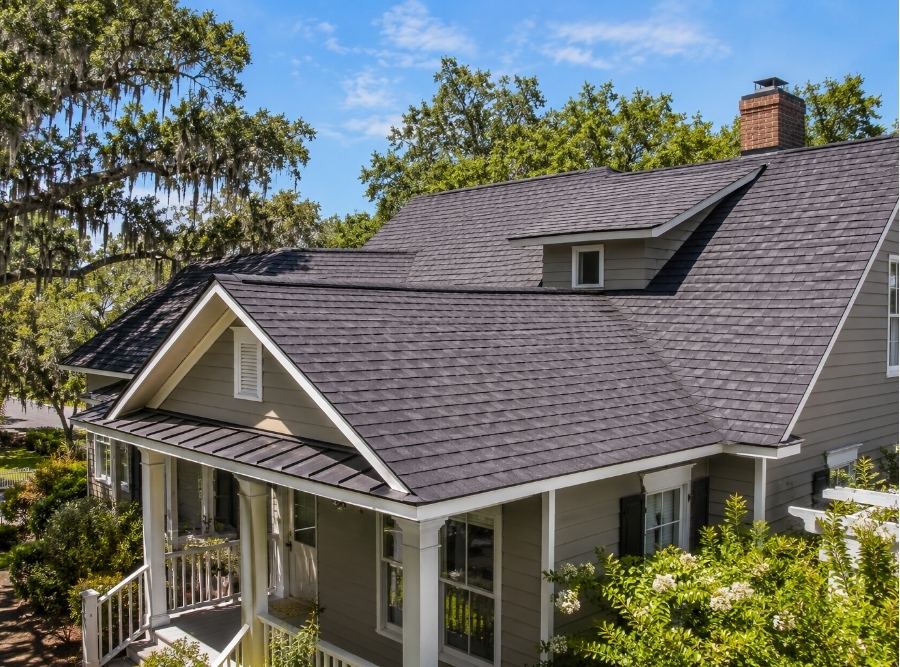
What Is a Wind Mitigation Inspection in South Carolina and Can It Lower My Premium?
Quick Answer:
A wind mitigation inspection in South Carolina is an inspection that documents how well a home is built or upgraded to resist wind and storm damage. It may help lower your homeowners insurance premium if the inspection shows qualifying features such as a newer roof, stronger roof attachments, hurricane clips, impact-rated openings, or other wind-resistant improvements. Savings are not guaranteed, but the inspection can help make sure your insurance carrier has accurate information about your home.
A homeowner replaces the roof, installs storm shutters, or buys a newer coastal home and assumes the insurance company already knows the property is better protected than before. Then the renewal arrives, and the premium still feels high. That is often when someone mentions a wind mitigation inspection, sometimes described as the “hurricane inspection,” the “roof discount inspection,” or the paperwork that might help lower insurance costs.
For homeowners in Beaufort, Bluffton, Hilton Head Island, and across the South Carolina Lowcountry, wind mitigation matters because wind exposure is a real part of coastal insurance. Homes near the water, older neighborhoods, newer planned communities, and properties exposed to tropical storm conditions may all be evaluated differently by insurance carriers. A wind mitigation inspection does not change the weather risk, but it can help document the features that may make a home more resistant to wind damage.
Why Wind Mitigation Inspections Matter in Coastal South Carolina
A wind mitigation inspection is designed to identify and document construction features that may reduce the risk of wind-related damage. The inspection typically looks at parts of the home that matter during severe weather, including the roof covering, roof deck attachment, roof-to-wall connections, secondary water resistance, opening protection, garage doors, and other storm-resistant features. The goal is not simply to say the home is in good condition. The goal is to provide insurance-relevant documentation about how the home may perform during high winds.
This matters because homeowners insurance pricing is based partly on risk. If an insurance carrier does not have documentation showing that a home has qualifying wind-resistant features, the policy may be rated as though those features do not exist. That can happen after a roof replacement, renovation, window upgrade, or home purchase if the right paperwork never makes it into the insurance file.
In Beaufort and surrounding Lowcountry communities, this issue comes up frequently because many homes have been updated over time. A home in the Historic District, The Point, Mossy Oaks, or Pigeon Point may have had roof or structural improvements that were never properly documented for insurance purposes. A newer home in Habersham, Battery Point, Newpoint, or Lady’s Island may have been built with stronger storm-related features, but the insurance carrier still needs acceptable documentation before any potential credits can be considered.
Can a Wind Mitigation Inspection Lower Your Premium?
A wind mitigation inspection can lower your homeowners insurance premium if your home has features that qualify for credits with your insurance carrier. The inspection itself does not guarantee savings. It simply provides documentation that allows the carrier to evaluate whether the home qualifies for wind-related discounts or rating adjustments.
This is where many homeowners get caught off guard. They assume a new roof automatically means lower insurance, but that is not always how it works. A new roof may help, but the carrier may also need to know how the roof was installed, what materials were used, how the roof deck is attached, whether there is a secondary water barrier, and whether other wind-resistant features are present. Without proper documentation, the improvement may not produce the insurance benefit the homeowner expected.
The amount of potential savings can vary widely. Some homes may qualify for meaningful credits, while others may see little or no change depending on the policy, carrier, construction details, and existing rating information. The important point is that homeowners should not assume the insurance company automatically knows about upgrades. If the documentation is missing, the premium may not reflect the home as accurately as it should.
The Mistake Homeowners Make After Replacing a Roof
One of the most common mistakes homeowners make is replacing a roof and assuming the insurance company will automatically update everything correctly. The contractor may complete the work, the permits may be closed, and the homeowner may feel the home is now better protected. But unless the insurance carrier receives the right documentation, the policy may continue to reflect older assumptions.
We have seen homeowners pay for significant improvements and never receive potential insurance credit because the inspection report, roof documentation, permit details, or upgrade information was never submitted. Sometimes the homeowner does not know what to ask for. Sometimes the paperwork gets lost. Sometimes the policy renews several times before anyone realizes the carrier may not have current information.
The deeper issue is that insurance pricing depends on verified details, not assumptions. A roof replacement can be valuable for protection, resale, and insurability, but the insurance benefit often depends on whether the improvement is properly documented. That is why a wind mitigation inspection can be especially useful after a roof replacement or major storm-hardening project.
What Inspectors Usually Look For
A wind mitigation inspection is not the same as a general home inspection. It is more focused on construction features that may affect wind performance and insurance rating. The inspector is typically looking for evidence of how the home is built, attached, sealed, and protected against storm-related forces.
Important features may include the age and type of roof covering, roof deck attachment, roof-to-wall connections, hurricane clips or straps, secondary water resistance, impact-rated windows, storm shutters, reinforced garage doors, and documentation of permitted improvements. In some homes, attic access may be needed to verify structural connections. In other cases, documentation such as permits, contractor invoices, product approvals, or prior inspection reports may support the evaluation.
Homeowners should understand that the inspection does not create credits by itself. It identifies and documents features that may already exist. If the home does not have qualifying features, the report may not produce savings, but it can still provide clarity about the property and help guide future improvement decisions.
Why Older and Newer Lowcountry Homes May Be Treated Differently
In Beaufort and the surrounding Lowcountry, homes vary widely in age, design, and construction. Older homes in areas such as Downtown Beaufort, The Point, Old Commons, Pigeon Point, and portions of Mossy Oaks may have been built long before newer wind-resistant construction standards became common. Some have been renovated carefully over time, while others may still lack modern roof attachments, opening protection, or other storm-related upgrades.
Newer homes in areas such as Habersham, Battery Point, Newpoint, Overlook at Battery Creek, and parts of Lady’s Island may include more modern building features. Even then, documentation still matters. A newer home may be more likely to have qualifying features, but the insurance carrier still needs acceptable proof before those details can be reflected in underwriting or rating.
The misconception is that wind mitigation inspections are only for older homes. In reality, they can be helpful for older homes, newer homes, recently purchased homes, homes with replacement roofs, and homes with hurricane protection upgrades. The real question is whether the policy currently reflects the home’s actual wind-resistant features.
The Wind Mitigation Question Most Homeowners Don’t Ask
Most homeowners ask whether a wind mitigation inspection will save money. The better question is whether their insurance policy is currently rating the home accurately. If the carrier is missing important information about roof age, roof attachments, storm shutters, impact-rated openings, or other improvements, the premium may not reflect the home’s actual condition.
This is especially important for long-term homeowners who have made improvements gradually. A roof may have been replaced years ago, windows may have been upgraded, or hurricane protection may have been added, but the insurance record may still be incomplete. Over time, that can mean missed opportunities for credits or underwriting improvements.
A wind mitigation inspection is not just about chasing a discount. It is about making sure the insurance company is working with current, accurate information. In a coastal market where premiums can be heavily influenced by storm exposure, accurate documentation can make a meaningful difference.
Why an Independent Insurance Review Matters
A wind mitigation report is only useful if it is reviewed properly and submitted to the carrier in a way that supports the policy. Different carriers may treat mitigation features differently, and not every improvement produces the same result. That is why homeowners should avoid assuming that one inspection automatically creates the same savings everywhere.
At Coastal Haven Insurance, we believe this is where proactive policy review matters. A homeowner may have a newer roof, storm shutters, impact-rated windows, or other protective features, but those details need to be part of the insurance conversation. Our role is to help clients understand what information may matter, what documentation may be needed, and whether available options should be reviewed.
As an independent agency, we are not limited to one carrier’s approach. That flexibility matters when homeowners are trying to manage rising premiums, compare coverage options, or make sure recent improvements are properly reflected. The goal is not to promise savings that may not exist. The goal is to make sure the home is evaluated as accurately and fairly as possible.
Don’t Let Storm Upgrades Go Unnoticed
A wind mitigation inspection may not guarantee a lower homeowners insurance premium, but it can be one of the most useful steps for South Carolina homeowners who have made storm-related improvements or suspect their policy information is outdated. In coastal areas like Beaufort, Bluffton, Hilton Head Island, and the surrounding Lowcountry, documentation matters because wind risk plays such a major role in insurance pricing.
If you have recently replaced your roof, purchased a home, installed hurricane protection, or noticed your homeowners premium continuing to rise, it may be worth reviewing whether a wind mitigation inspection makes sense. The best time to document protective features is before renewal frustration builds, before paperwork gets lost, and before the next storm season reminds everyone how important those details can be.

Coastal Haven Insurance Partners is an independent, locally owned insurance agency located in Bluffton, SC (40 Pennington Dr Suite E). Led by partners Coley Davis, Travers Davis, and William Voelkel, the firm brings over 30 years of combined insurance and leadership experience to the South Carolina Lowcountry. The team specializes in tailored homeowners, flood, windstorm, auto, and commercial insurance. They share straightforward guidance to help coastal residents and business owners protect their assets with confidence.