
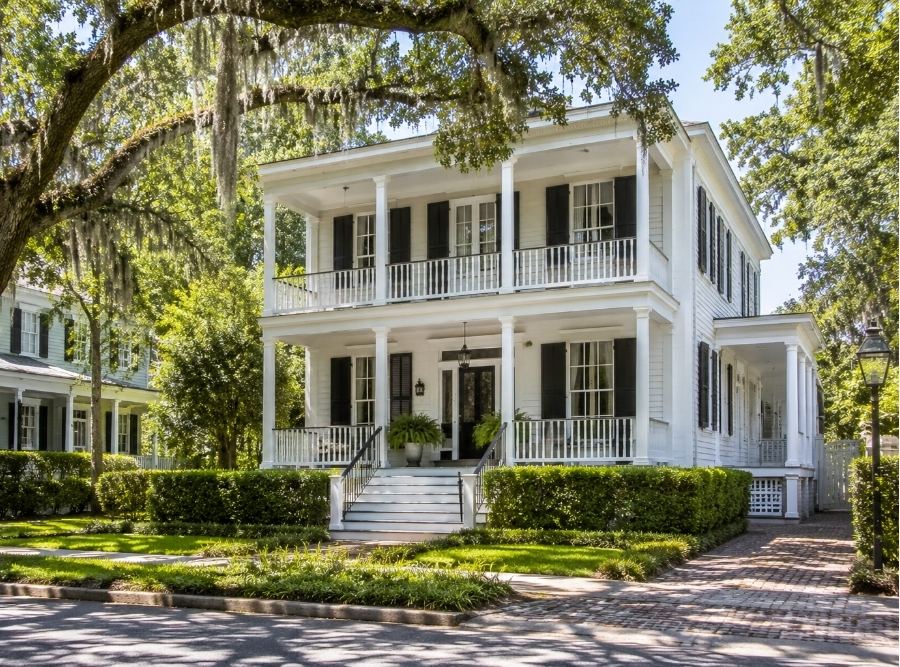
How Do I Insure a Historic or Antebellum Home in Beaufort, SC?
Quick Answer:
To insure a historic or antebellum home in Beaufort, SC, you need a homeowners policy that reflects the property’s true replacement cost, historic materials, restoration needs, age, condition, and coastal risk exposure. Standard homeowners insurance may not be enough for older or historically significant homes because rebuilding or repairing them can require specialized materials, skilled craftsmen, and attention to preservation requirements. The right policy should be reviewed carefully so the home is not underinsured before a major loss occurs.
A historic home in Beaufort is not just another house with an older construction date. It may have original heart pine floors, hand-crafted woodwork, antique windows, masonry details, raised Lowcountry construction, or architectural features that cannot be replaced with standard modern materials. That is what makes these homes special, but it is also what makes them more complicated to insure.
For homeowners in the Beaufort Historic District, The Point, The Bluff, Old Commons, Pigeon Point, Bay Street, and surrounding historic areas, insurance should be approached with more care than a typical property quote. A standard policy may look simple on paper, but the real question is whether it would respond properly if a hurricane, fire, water loss, or major structural damage affected a home that cannot be rebuilt like a newer subdivision property.
Why Historic Homes Are Harder to Insure Than Standard Homes
Historic and antebellum homes are often harder to insure because they do not fit neatly into standard replacement cost models. A newer home may be easier to estimate because the materials, layout, labor, and construction methods are more predictable. A historic Beaufort home is different because original craftsmanship, unusual dimensions, specialty materials, and preservation expectations can make repairs significantly more expensive than a basic square-foot calculation suggests.
This is where many homeowners get caught off guard. They assume the home should be insured based on purchase price, market value, or tax assessment, but insurance is usually focused on what it would cost to repair or rebuild the structure after a covered loss. In a historic home, that rebuilding cost can be very different from the amount paid for the property, especially if original features need to be restored rather than replaced with ordinary modern substitutes.
The age of the home also matters to underwriters. Electrical systems, plumbing, roofing, HVAC, structural framing, crawl spaces, and prior renovations all become part of the conversation. A well-maintained historic home may be an excellent property, but insurance carriers still want to understand how the home has been updated, what risks remain, and whether the home can be repaired safely and realistically after a major claim.
The Biggest Mistake: Insuring the Home Like a Regular House
The biggest mistake owners make is treating a historic home like a standard homeowners insurance risk. That often leads to underinsurance because the policy may not account for custom millwork, historic windows, original flooring, plaster walls, masonry restoration, or architectural details that require specialty repair. If those features are damaged, replacing them with basic modern materials may not satisfy the homeowner, the home’s character, or applicable preservation expectations.
Another common mistake is assuming the insurance company will automatically rebuild the home exactly as it was. That depends heavily on the policy language, coverage limits, valuation method, exclusions, endorsements, and documentation available before the loss. If the policy was never structured with historic features in mind, the claim may become far more complicated than the homeowner expected.
This is especially important in Beaufort because many historic homes face both preservation concerns and coastal weather exposure. Wind-driven rain, hurricanes, humidity, termite activity, salt air, and moisture in crawl spaces can all affect older materials. A small maintenance issue that might be manageable in a newer home can become a much larger concern when original materials or hidden structural components are involved.
Replacement Cost Is the Conversation That Matters Most
When insuring a historic or antebellum home, replacement cost is one of the most important topics to review. The policy limit should reflect what it would realistically cost to repair or rebuild the home, not simply what the home could sell for on the market. In historic properties, those two numbers can be very different.
A proper replacement cost discussion should consider construction style, materials, architectural details, square footage, roof type, foundation, porches, windows, interior finishes, and any historic or preservation-related requirements. It should also account for the fact that specialty contractors may be needed after a loss. Restoring original woodwork, repairing historic masonry, or matching antique details can take more time and cost more than standard repairs.
The deeper insight is that historic homes are often not expensive to insure simply because they are old. They are expensive to insure because they can be expensive to restore correctly. If the coverage is built around a simplified estimate, the homeowner may not discover the gap until after a fire, storm, or water loss has already occurred.
What Insurance Companies Want to Know
Insurance carriers often ask more questions when reviewing a historic home because the details matter. They may want information about the roof age, electrical updates, plumbing condition, HVAC system, foundation, occupancy, renovation history, and whether the home has been maintained consistently. These questions are not just paperwork. They help determine whether the property is insurable and what coverage options may be available.
For older homes, documentation is extremely valuable. Photos, inspection reports, renovation records, contractor invoices, roof documentation, electrical updates, plumbing improvements, and appraisals can all help tell the story of the property. A historic home that has been carefully maintained and updated may be viewed very differently from one with unknown systems, deferred maintenance, or undocumented renovations.
This is where homeowners sometimes feel frustrated. They may think, “This house has stood for 150 years, so why is the insurance company asking so many questions?” The answer is that insurance is not only concerned with whether the home has lasted. It is concerned with what would happen if a major loss occurred tomorrow and whether the home can be repaired safely, properly, and within the policy limits.
Beaufort’s Coastal Climate Adds Another Layer
Historic homes in Beaufort face more than age-related concerns. They also sit in a coastal environment where humidity, storms, wind-driven rain, flooding in some areas, and salt air can affect building materials over time. Homes near the Beaufort River, Bay Street, The Point, Spanish Point, Port Royal, and other low-lying or waterfront areas may have additional exposure that needs to be considered.
Moisture is one of the biggest long-term threats to historic homes. Original wood, crawl spaces, plaster, framing, and trim can be vulnerable when water intrusion or humidity is not controlled. A small roof leak, plumbing issue, or drainage problem can cause damage that becomes expensive because the affected materials are not easy to replace.
Storm exposure also matters. A hurricane or tropical storm can damage roofing, porches, windows, shutters, siding, and structural components. For a historic property, those repairs may involve more than simply hiring a standard contractor and replacing materials from a supply warehouse. The claim may require careful documentation, specialized repair methods, and a policy that recognizes the true nature of the home.
The Historic Home Question Most Owners Don’t Ask
Most owners ask, “Can I insure this historic home?” The better question is, “Will my policy let me repair this home the right way after a loss?” That is the question that separates basic coverage from thoughtful protection.
A policy may satisfy a mortgage requirement and still fall short of what the home actually needs. If the dwelling limit is too low, if ordinance or law considerations are ignored, if replacement cost is not properly evaluated, or if historic features are not documented, the homeowner may face difficult choices after a claim. They may have coverage, but not enough coverage to restore the property in a way that respects its value and character.
We have seen homeowners focus on getting a policy issued quickly, especially during a purchase or closing, without taking time to understand how the home would be valued after a loss. That can be risky with any home, but it is especially risky with a historic or antebellum property. These homes deserve more than a rushed quote. They deserve a careful coverage conversation.
Why an Independent Insurance Review Matters
Historic homes often require more flexibility than a standard insurance placement. Some carriers may not be comfortable with older properties, while others may require specific updates or documentation before offering coverage. Certain homes may need specialty markets, higher-value dwelling coverage, extended replacement cost options, or a more detailed review of restoration needs.
At Coastal Haven Insurance, we believe historic homes should be insured with patience and care. The goal is not simply to find the cheapest policy. The goal is to understand the home, review its risks, document its features, and look for coverage that reflects what the property actually is. That matters in Beaufort, where historic homes are part of the community’s identity and often carry value far beyond ordinary construction.
As an independent agency, we are not tied to one carrier’s guidelines. That allows us to compare options, ask better questions, and help homeowners understand where standard coverage may fall short. For a historic or antebellum home, that kind of guidance can make a meaningful difference.
Protect the Character That Makes the Home Worth Owning
A historic home in Beaufort is worth protecting because it cannot be easily replaced. The floors, windows, porches, trim, masonry, and craftsmanship often tell a story that newer construction simply cannot duplicate. Insurance should respect that reality.
If you own, are buying, or have inherited a historic or antebellum home in Beaufort, the best time to review coverage is before a claim, before a renovation, and before a renewal deadline creates pressure. A thoughtful policy review can help determine whether your current coverage reflects the real cost of restoring the home, the risks of coastal living, and the responsibility that comes with preserving a one-of-a-kind property.

Coastal Haven Insurance Partners is an independent, locally owned insurance agency located in Bluffton, SC (40 Pennington Dr Suite E). Led by partners Coley Davis, Travers Davis, and William Voelkel, the firm brings over 30 years of combined insurance and leadership experience to the South Carolina Lowcountry. The team specializes in tailored homeowners, flood, windstorm, auto, and commercial insurance. They share straightforward guidance to help coastal residents and business owners protect their assets with confidence.