
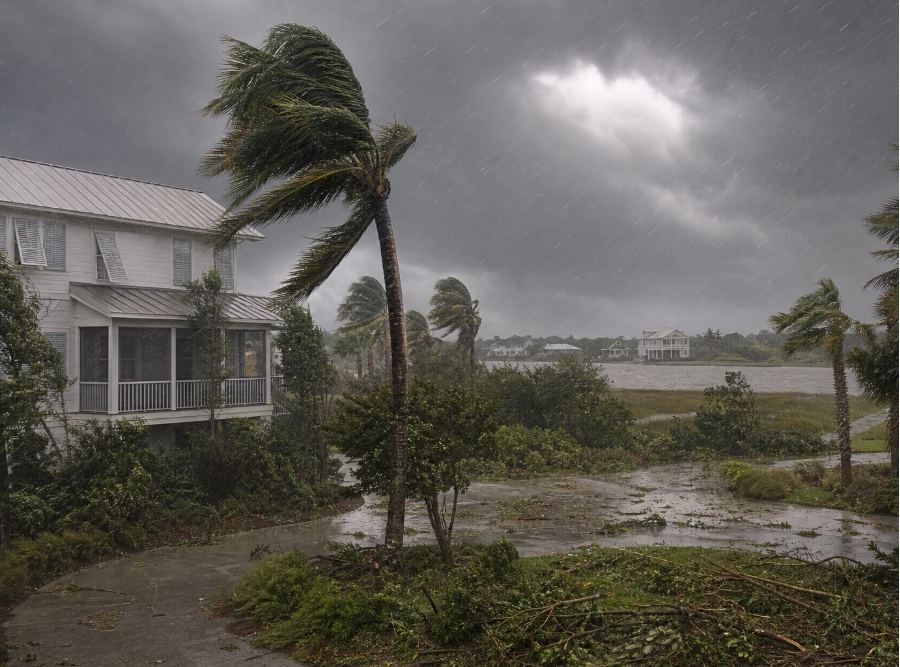
What Is the SC Wind and Hail Association and Do Bluffton Homeowners Need It?
Quick Answer:
The South Carolina Wind and Hail Association is a state-backed insurance option that provides wind and hail coverage for coastal properties that standard insurance companies won’t fully cover. Many Bluffton homeowners need it because their primary homeowners policy excludes wind damage due to hurricane risk. Whether you need it depends on your location, your insurer, and how your current policy is structured.
A lot of homeowners in Bluffton find out about the SC Wind and Hail Association at the worst possible time, either during closing or after a storm, when something doesn’t line up with their policy. That’s when questions start coming up quickly, and the answers don’t always feel clear.
We’ve sat with homeowners across Bluffton and Hilton Head who were surprised to learn they needed a second policy just to cover storm damage. In a coastal market like this, that’s not unusual. But when it isn’t explained properly upfront, it creates confusion about what’s actually covered and how the policies are supposed to work together.
Why Wind Coverage Is Sometimes Missing From Your Policy
In inland areas, most homeowners insurance policies include wind damage as part of standard coverage. Bluffton is different. Because of hurricane exposure along the South Carolina coast, many insurance carriers limit how much wind risk they’re willing to take on.
In insurance terms, this is called a “wind and hail exclusion.” Most homeowners experience it more simply as, “your policy doesn’t cover storm damage.” The policy still covers fire, theft, liability, and other common risks, but wind is carved out. When that happens, there’s a gap that needs to be filled elsewhere.
This is where the SC Wind and Hail Association comes in. It exists as a residual market option for coastal properties that can’t get full wind coverage through traditional carriers. In areas near the May River, Old Town Bluffton, or even parts of neighborhoods off Highway 278 and Buckwalter Parkway, we see this structure come up regularly.
What the SC Wind and Hail Association Actually Covers
The SC Wind and Hail Association policy is designed to cover damage caused specifically by wind and hail events. That typically includes roof damage, siding, windows, and structural components affected during a storm.
It’s important to understand that this policy doesn’t replace your homeowners insurance. You still need a primary policy for fire, theft, liability, and other types of loss. In many cases, this creates a layered structure where two policies work together, your main homeowners policy and a separate wind and hail policy.
That’s where confusion often starts. You may have two declarations pages, two carriers, and during a claim, potentially two adjusters evaluating the same property. If it hasn’t been clearly explained beforehand, it can feel like you’re navigating two different systems at once.
Who Typically Needs SC Wind and Hail Coverage in Bluffton
Not every homeowner in Bluffton needs a separate wind and hail policy, but certain situations make it much more likely. Homes closer to the May River or in more exposed coastal areas are often subject to stricter underwriting guidelines. Older homes, particularly those with aging roofs, are also more likely to have wind coverage excluded.
We also see this more often with higher-value homes or properties where carriers have pulled back coverage due to regional risk. In some cases, homeowners in established communities like Rose Hill or Pinecrest are affected differently than newer developments out toward New Riverside, where construction standards may meet more current wind mitigation requirements.
The key point is that this isn’t something you can assume. Whether you need it depends entirely on how your current policy is written and how your property is evaluated within the coastal risk zone.
Understanding the Deductible—This Is Where It Gets Expensive
One of the biggest surprises with wind and hail coverage is the deductible structure. Unlike standard deductibles, which are often a fixed dollar amount, wind and hail deductibles are typically based on a percentage of your home’s insured value.
That percentage is often in the range of two to five percent. On a $500,000 home, that could mean an out-of-pocket cost of $10,000 to $25,000 before coverage begins. It’s a number that feels very different once you see it applied in real terms.
We’ve had conversations with homeowners who didn’t fully understand this until they were already in the middle of a claim. The coverage was there, but the financial responsibility upfront was much higher than expected. This is one of the most important parts of the policy to understand clearly before storm season, not after.
This Is Where Homeowners Get Caught Off Guard
Most of the confusion around wind coverage shows up during a claim. A homeowner files for damage after a storm, expecting their policy to respond, only to find out the coverage is split between policies or missing altogether.
In Bluffton, roof damage is a common trigger for this situation. The homeowner sees visible damage and files a claim with their primary insurer, only to be told wind isn’t covered under that policy. If there’s no wind and hail policy in place, the cost becomes entirely out of pocket.
Even when both policies exist, the process can still be complicated. In some cases, one adjuster may attribute damage to wind while another attributes part of it to a different cause. That’s where delays and disagreements can happen, especially if the policies aren’t clearly coordinated. In a high-stress situation, that kind of uncertainty can slow down repairs and increase frustration.
A Common Misconception About “Hurricane Coverage”
A lot of people refer to this as “hurricane insurance,” but that’s not really how it works. There isn’t a single policy that covers all storm-related damage. Instead, coverage is divided based on what caused the loss.
Wind damage may fall under a wind and hail policy. Flood damage requires a separate flood insurance policy. Other types of damage are handled by your standard homeowners policy. In a coastal area like Bluffton, understanding how these pieces fit together is essential.
Another misconception is that the SC Wind and Hail Association functions the same way as private insurance. It plays an important role in providing access to coverage, but it’s not designed to be a complete replacement for a traditional policy. It’s a solution when other options are limited, not a one-size-fits-all approach.
Closing the Gap Between Policies
One issue we occasionally see is a mismatch between the dwelling coverage on the primary homeowners policy and the limit on the wind and hail policy. If those two numbers aren’t aligned, it can create a shortfall in a major loss.
For example, if your home is insured for a higher rebuild value on your main policy but your wind policy hasn’t been updated to match, a significant storm could expose that gap. These aren’t details most homeowners think to check, but they can make a meaningful difference when coverage is actually needed.
The Difference Between Having Coverage and Understanding It
Having the right policies in place is only part of the equation. Understanding how they work together is just as important, especially when coverage is layered across multiple carriers.
This is where working with an independent agency changes the experience. Instead of managing separate policies in isolation, you have someone looking at the full picture—how your homeowners policy, wind coverage, and any additional protection all interact. Because we’re not tied to a single carrier, we’re able to compare options, adjust as conditions change, and make sure everything stays aligned over time.
Understand Your Coverage Before Storm Season Starts
Most of the issues we see around wind and hail coverage aren’t because someone made a bad decision at the start. It’s because no one took the time to walk through how the policies actually work together as conditions changed.
In Bluffton, where storm exposure is part of living here, that’s not something you want to figure out after the fact. The goal isn’t just to have coverage, it’s to know how it will respond when you need it.
If you’re not sure whether your homeowners policy includes wind coverage or how it would actually respond after a storm, it’s worth walking through it in detail before storm season, not after. Taking that step now can prevent a lot of confusion later, especially when the stakes are highest.

Coastal Haven Insurance Partners is an independent, locally owned insurance agency located in Bluffton, SC (40 Pennington Dr Suite E). Led by partners Coley Davis, Travers Davis, and William Voelkel, the firm brings over 30 years of combined insurance and leadership experience to the South Carolina Lowcountry. The team specializes in tailored homeowners, flood, windstorm, auto, and commercial insurance. They share straightforward guidance to help coastal residents and business owners protect their assets with confidence.