
What Car Insurance Do I Need as a Snowbird or Part-Time Resident in Hilton Head, SC?
Quick Answer:
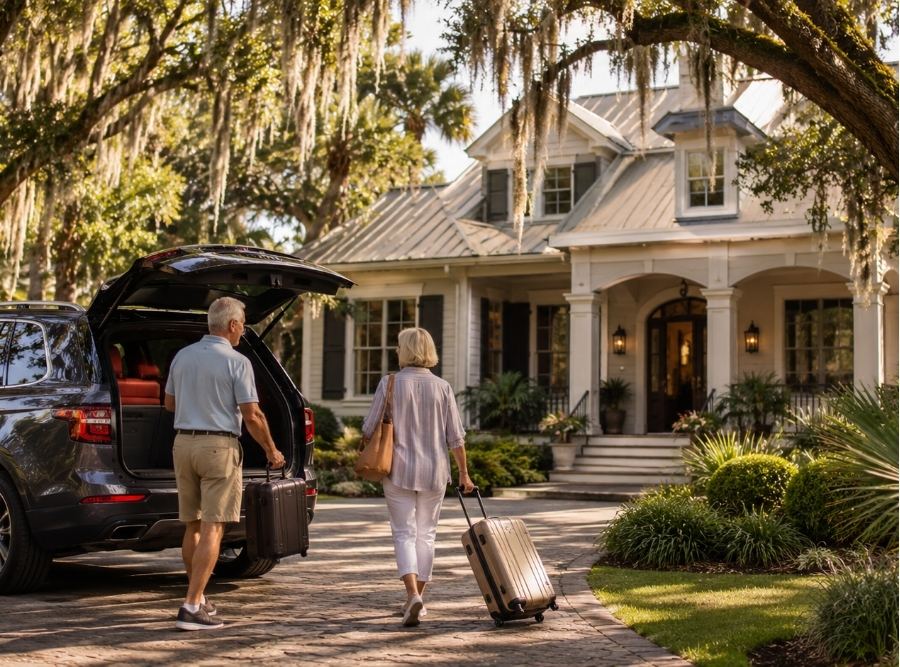
If you’re a snowbird or part-time resident in Hilton Head, the most important step is making sure your auto insurance accurately reflects where your vehicle is primarily kept and used. Depending on your residency situation, vehicle location, and driving habits, you may need coverage adjustments, updated garaging information, or a policy review to ensure you’re properly protected throughout the year.
For many people, owning a home in Hilton Head Island is the realization of a long-term goal. Whether you’re spending winters in the Lowcountry, gradually transitioning into retirement, or maintaining a second home while living elsewhere for part of the year, seasonal residency comes with a unique set of insurance questions. While homeowners insurance often receives most of the attention, auto insurance can become just as important when a vehicle begins splitting time between multiple states.
One of the biggest reasons snowbird auto insurance creates confusion is that people naturally think about where they live. Insurance companies, however, are often equally concerned with where the vehicle lives. A car that spends several months each year in Hilton Head may have different exposures, usage patterns, and insurance considerations than a vehicle that remains in another state year-round. Understanding that distinction can help prevent misunderstandings and ensure your coverage continues to match your lifestyle.
Why Hilton Head Snowbirds Face Different Insurance Questions
Hilton Head is home to a large population of seasonal residents who divide their time between South Carolina and states throughout the Northeast, Midwest, and other parts of the country. Some spend a few months on the island each year. Others gradually extend their stays until they find themselves spending the majority of the year in communities such as Sea Pines, Hilton Head Plantation, Palmetto Dunes, Wexford, Long Cove, Port Royal Plantation, and Spanish Wells.
As these residency patterns evolve, vehicle usage often evolves as well. A car that was originally used for occasional vacations may become a regular daily driver for several months at a time. Some homeowners purchase vehicles specifically for their South Carolina residence. Others leave a vehicle on the island year-round so they always have transportation available when they arrive.
These lifestyle changes are completely normal, but they can create insurance questions that don’t typically affect full-time residents who live in one location throughout the year. The longer a vehicle spends in Hilton Head, the more important it becomes to make sure your insurance company has an accurate understanding of how and where that vehicle is being used.
The Most Important Question Is Often Where the Vehicle Is Kept
Many seasonal residents begin by asking whether they need South Carolina auto insurance. While that can be an important discussion, it is often not the most important starting point.
A better question is: Where is the vehicle normally kept?
Insurance companies frequently use a vehicle’s garaging location as part of the information used to evaluate risk and determine how a policy should be rated. In simple terms, they want to understand where the vehicle spends most of its time when it is not being driven. A vehicle that sits in Hilton Head for extended periods may face different exposures than a vehicle that remains in another state.
This is where many misconceptions begin. Some people assume that their mailing address is the only address that matters. Others believe that as long as the vehicle is insured, its location is largely irrelevant. In reality, accurate information about where the vehicle is stored and used helps ensure the policy reflects the actual risk being insured.
Most insurance issues don’t develop because someone intentionally provides incorrect information. More often, they occur because life changes gradually while policy information remains exactly the same.
When Seasonal Living Becomes a Long-Term Lifestyle
One of the realities of Hilton Head living is that many seasonal residents end up spending far more time here than they originally expected. A property that begins as a winter retreat often becomes a central part of retirement plans. What starts as a three-month stay can gradually become five, six, or even eight months each year.
As that transition happens, insurance needs often change as well. Driving patterns become different. The vehicle may spend significantly more time in South Carolina than in the owner’s original state. Additional family members may use the vehicle during visits. In some households, multiple vehicles are divided between residences throughout the year.
Most people don’t view these changes as major events because they happen gradually. From an insurance standpoint, however, these details can be important. Periodic policy reviews help ensure your coverage evolves alongside your lifestyle rather than remaining tied to assumptions that may no longer reflect reality.
The Risk Doesn’t Disappear When the Vehicle Isn’t Being Driven
Many snowbirds naturally focus on insurance from a driving perspective. They want to know they’re protected if they’re involved in an accident while visiting Hilton Head, Bluffton, Beaufort, or elsewhere in the Lowcountry. While liability protection is an important part of any auto insurance discussion, it isn’t the only consideration for seasonal residents.
A vehicle that spends months parked at a second home can still face meaningful risks. Coastal South Carolina presents environmental conditions that many seasonal residents don’t encounter elsewhere. High humidity, salt-air exposure, severe thunderstorms, tropical weather systems, hurricane season, falling tree limbs, theft, and vandalism can all affect a vehicle that spends significant time stored on the island.
This is why comprehensive coverage often deserves careful consideration. Many people think of insurance primarily in terms of collisions, but some of the most significant losses occur when a vehicle isn’t moving at all. In a coastal environment, weather-related damage and other non-collision losses can create substantial expenses if the appropriate coverage is not in place.
One of the biggest misconceptions we encounter is the belief that a parked vehicle presents little risk. In reality, the vehicle may be exposed to certain risks every day it remains on the property, particularly during hurricane season.
The Biggest Mistake Many Snowbirds Make
The most common mistake isn’t choosing the wrong coverage. It’s assuming nothing needs to be updated.
Many seasonal residents purchase insurance years before their lifestyle fully develops. At the time, the information on the policy may have been completely accurate. As residency patterns change, however, those details sometimes become outdated without anyone realizing it.
We’ve found that many people are surprised by how important seemingly small details can be. The amount of time spent in South Carolina, where the vehicle is stored, who drives it, and how often it is used can all influence whether the policy continues to align with reality.
The good news is that these issues are often easy to address once they’re identified. A proactive review is far easier than trying to resolve questions after a claim has already occurred.
Insurance Should Reflect How You Actually Live
No two snowbird households are exactly alike. Some maintain homes in multiple states and move vehicles back and forth throughout the year. Others keep a dedicated vehicle at their Hilton Head residence. Some are still seasonal visitors, while others are steadily transitioning toward full-time South Carolina residency.
Because every situation is different, there is rarely a one-size-fits-all answer. The right coverage depends on where the vehicle is kept, how it is used, who drives it, and how your residency is structured. What matters most is making sure your insurance accurately reflects your actual circumstances rather than assumptions that may no longer apply.
For many Hilton Head snowbirds and part-time residents, the goal isn’t necessarily purchasing more insurance. The goal is making sure the coverage you already have is built around the way you actually live today.
Your Lifestyle Has Changed—Make Sure Your Coverage Has Too
One of the advantages of seasonal living is flexibility. Retirement, second-home ownership, and extended stays in Hilton Head allow many people to enjoy a lifestyle they’ve worked toward for years. As those plans evolve, it’s worth taking the time to make sure your insurance evolves as well.
A vehicle that spends months at a time in the Lowcountry deserves the same thoughtful review as any other major asset. By making sure your insurance company has accurate information about where the vehicle is kept, how it is used, and how your residency has changed over time, you can reduce uncertainty and move forward with greater confidence.
The best insurance decisions are rarely reactive. They happen when coverage is reviewed before questions arise, not after a claim forces everyone to revisit the details.

Coastal Haven Insurance Partners is an independent, locally owned insurance agency located in Bluffton, SC (40 Pennington Dr Suite E). Led by partners Coley Davis, Travers Davis, and William Voelkel, the firm brings over 30 years of combined insurance and leadership experience to the South Carolina Lowcountry. The team specializes in tailored homeowners, flood, windstorm, auto, and commercial insurance. They share straightforward guidance to help coastal residents and business owners protect their assets with confidence.