
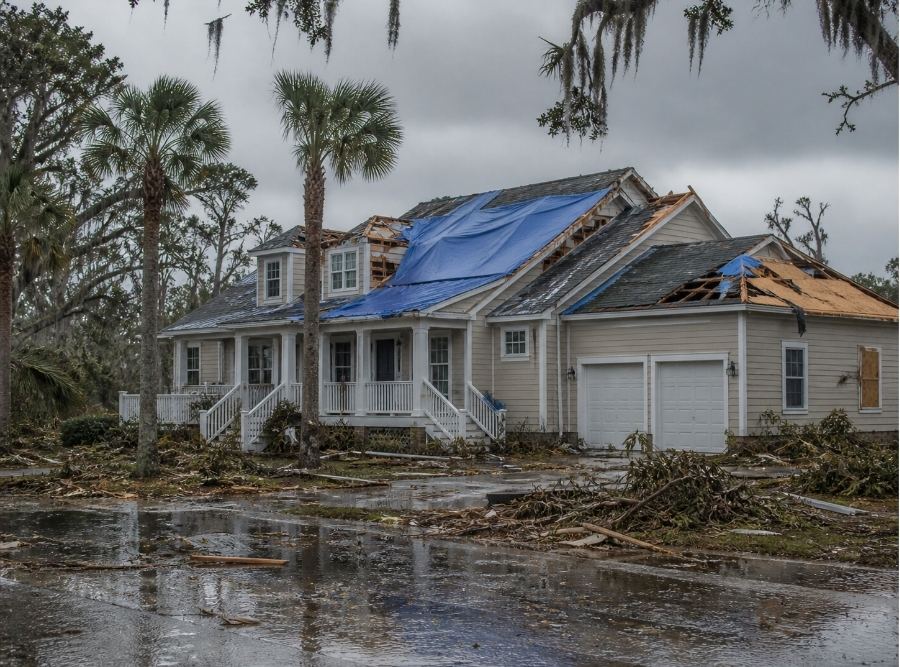
How Do I File a Homeowners Insurance Claim in South Carolina After a Hurricane?
Quick Answer: To file a homeowners insurance claim in South Carolina after a hurricane, document the damage, prevent additional loss when it is safe, and report the claim promptly. Keep receipts, preserve damaged materials when practical, and review the adjuster’s estimate and claim payments carefully.
Seven Steps for Filing a Hurricane Insurance Claim
- Confirm that the property is safe to enter.
- Photograph and record all visible damage.
- Take temporary steps to prevent additional loss.
- Report the claim to your insurer or agent.
- Save receipts and organize claim records.
- Prepare for the adjuster’s inspection.
- Review the estimate, deductible, and payment.
Start With Safety and Documentation
After a hurricane, personal safety comes first. Do not enter an unstable structure, approach downed power lines, walk through contaminated water, or climb onto a damaged roof. Wait until emergency officials or qualified professionals confirm that it is safe to inspect the property.
Once it is safe, photograph every affected room and exterior area before beginning extensive cleanup. Start with wide images that show the overall condition, then take close-ups of missing shingles, damaged siding, broken windows, water stains, wet flooring, damaged belongings, fallen trees, and debris. Video can provide additional context by showing how damage connects throughout the property.
Create a written inventory of damaged personal property. Include each item’s location, approximate age, estimated value, and identifying information such as the brand, model, or serial number. Receipts, warranties, prior photographs, bank statements, and online order histories may help establish ownership and value.
The South Carolina Department of Insurance advises homeowners to begin listing damaged property and take reasonable steps to protect it from further loss.
Report the Claim Promptly
After documenting the initial damage, contact your insurance company or agent to provide the first notice of loss. You do not need to know the final repair cost before opening the claim.
Be prepared to provide your policy number, contact information, date of loss, a factual description of what happened, and details about the affected areas. Ask for the claim number, the assigned adjuster’s contact information, and instructions for submitting photographs, inventories, estimates, and receipts.
Keep notes from important conversations, including the date, the person you spoke with, and the instructions provided. When a significant issue is discussed by phone, confirm your understanding by email so there is a written record.
After a widespread hurricane, inspections and responses may take longer because insurers, adjusters, contractors, and mitigation companies are managing many losses at once. Continue following up and respond promptly when additional information is requested.
Understand Wind Damage and Flood Damage
One of the most important issues in a South Carolina hurricane claim is determining how the damage occurred.
A homeowners policy may cover wind damage and resulting rain intrusion when the loss falls within the policy’s covered causes. The insurer will evaluate how the opening occurred and whether any exclusions or limitations apply.
Standard homeowners insurance generally does not cover surface flooding, storm surge, or water that rises from the ground. Those losses normally require separate flood insurance.
A single hurricane can cause both wind and flood damage. Depending on the policies involved, the homeowner may need to report the loss under both the homeowners and flood policies. Separate adjusters, deductibles, and documentation requirements may apply.
Photograph roof openings, exterior damage, water lines, debris patterns, damaged doors or windows, and the areas where water entered. Describe what you observed without guessing about the technical cause.
This distinction is especially important in coastal communities such as Bluffton, Hilton Head Island, Beaufort, and Charleston, where wind, heavy rain, drainage overflow, and storm surge may occur during the same event.
Make Temporary Repairs Without Destroying Evidence
Most homeowners policies require policyholders to take reasonable steps to prevent additional damage when it is safe to do so. Temporary measures may include tarping an exposed roof, boarding a broken window, removing standing water, or arranging emergency drying services.
Photograph the original damage before emergency work begins whenever possible. Document the temporary repair and keep receipts for tarps, boards, drying equipment, water removal, emergency labor, and storage.
Avoid permanent reconstruction or extensive demolition before the adjuster has had an opportunity to inspect, unless immediate work is necessary for health or safety. Ask the insurer whether damaged materials need to remain available for inspection. When wet materials must be removed quickly, photograph them thoroughly and preserve samples when practical.
Verify the identity and company affiliation of adjusters, contractors, and repair representatives before sharing personal or financial information. Obtain a written contract and avoid paying the full repair cost upfront.
Prepare for the Adjuster’s Inspection
After the claim is reported, an adjuster will inspect the property and evaluate the cause, extent, and estimated cost of the claimed damage.
Organize your claim records before the inspection and point out damage that may not be immediately obvious, such as attic moisture, staining, odors, soft flooring, or electrical problems.
The adjuster evaluates the damage under the policy and prepares or reviews an estimate. A contractor estimates the labor, materials, and repair methods needed to complete the work. The estimates may differ because of measurements, pricing, scope, depreciation, or damage that was not visible during the first inspection.
Review the adjuster’s estimate carefully. Confirm that each affected room, structure, material, and personal-property category has been considered. If something appears to be missing, notify the insurer in writing and provide photographs, measurements, estimates, or inspection findings.
Additional damage may be discovered after repairs begin. Ask how supplemental damage should be reported and whether another inspection is required before the additional work continues.
Understand Deductibles and Claim Payments
The deductible is the portion of a covered claim the policyholder is responsible for paying. It is generally subtracted from the covered claim amount rather than paid directly to the insurance company.
Some South Carolina property policies may contain a separate named-storm or wind-and-hail deductible. These deductibles can be expressed as a percentage instead of a fixed dollar amount.
For example, if a policy calculates a 2% storm deductible using a $400,000 dwelling limit, the deductible would be $8,000. The actual percentage and calculation basis depend on the policy, so review the declarations page and deductible endorsements carefully.
Claim payments may be issued in stages, and the first payment may be an advance rather than the final settlement. Actual cash value generally accounts for depreciation, while replacement-cost coverage may reimburse the cost of replacing damaged property with items of similar kind and quality, subject to policy terms and limits.
For personal belongings, an insurer may initially pay depreciated cash value and release eligible replacement-cost funds after replacement receipts are submitted. The process for dwelling repairs may differ, so ask how depreciation and additional payments apply to each part of the claim.
When a mortgage is attached to the property, the structural repair check may include the mortgage company as a payee. The lender may release funds in stages after receiving documents or completing progress inspections.
Track Additional Living Expenses
If a covered loss makes the home uninhabitable, the policy may provide additional living expense coverage. This may help with necessary increases in living costs while repairs are completed, subject to the policy’s limits and conditions.
Potential expenses may include temporary housing, increased meal costs, pet boarding, storage, laundry, and additional transportation.
Keep ordinary household expenses separate from the added costs caused by the loss. Ask the insurer what documentation is required and whether any expenses need advance approval.
Common Claim Problems and How to Respond
One of the most damaging mistakes is cleaning up or discarding materials before documenting the original condition. Other common problems include waiting too long to report the loss, authorizing permanent repairs before inspection, failing to keep receipts, and relying entirely on verbal communication.
Avoid describing everything only as “hurricane damage.” Be factual and specific. Explain that shingles were missing, water entered through a ceiling, a tree struck a structure, or rising water reached a particular level. Do not guess about the technical cause when it is unclear.
Do not assume the first estimate includes every affected item or that the first payment closes the claim. If something is missing, identify the disputed item in writing and support your position with photographs, measurements, contractor estimates, inspection reports, or receipts.
If the claim appears to have stalled, ask the insurer what information, inspection, or decision is still pending. Confirm that submitted documents were added to the claim file.
If the disagreement concerns the amount of the loss, review the policy for an appraisal provision and ask the insurer how it applies. Appraisal procedures vary, so homeowners may need professional guidance before starting the process.
Be cautious about signing assignments, direction-to-pay forms, or other agreements that give a contractor broad control over insurance funds or the claim. Read the entire agreement and seek qualified guidance when something is unclear.
How Coastal Haven Insurance Can Help
Coastal Haven Insurance can help existing clients locate policy documents, identify the deductible shown on the declarations page, find the correct claim-reporting contact, and understand the information requested by the insurer.
The agency can explain general policy terminology and the claim process, but it does not inspect damage, determine coverage, or set the settlement amount. Those responsibilities belong to the insurer, adjuster, and other qualified professionals involved in the claim.
Frequently Asked Questions
Stay Involved Throughout the Claim
Hurricane claims may involve wind and flood damage, separate policies, unfamiliar deductibles, mortgage-company requirements, and payments released in stages. Maintain a reliable record of the loss, follow the insurer’s instructions, and review each estimate and payment carefully so missing or newly discovered damage can be addressed promptly.

Coastal Haven Insurance Partners is an independent, locally owned insurance agency located in Bluffton, SC (40 Pennington Dr Suite E). Led by partners Coley Davis, Travers Davis, and William Voelkel, the firm brings over 30 years of combined insurance and leadership experience to the South Carolina Lowcountry. The team specializes in tailored homeowners, flood, windstorm, auto, and commercial insurance. They share straightforward guidance to help coastal residents and business owners protect their assets with confidence.